Hello there
 Hello there
Nice to meet you. Teams call me in when the system stops making sense.
Sixteen years across enterprise SaaS, gaming, developer tools, and Fortune 500 products, most of it embedded with the engineering teams doing the building. I lead with empathy, collaborate out loud, and treat design as a strategic input rather than a downstream service.
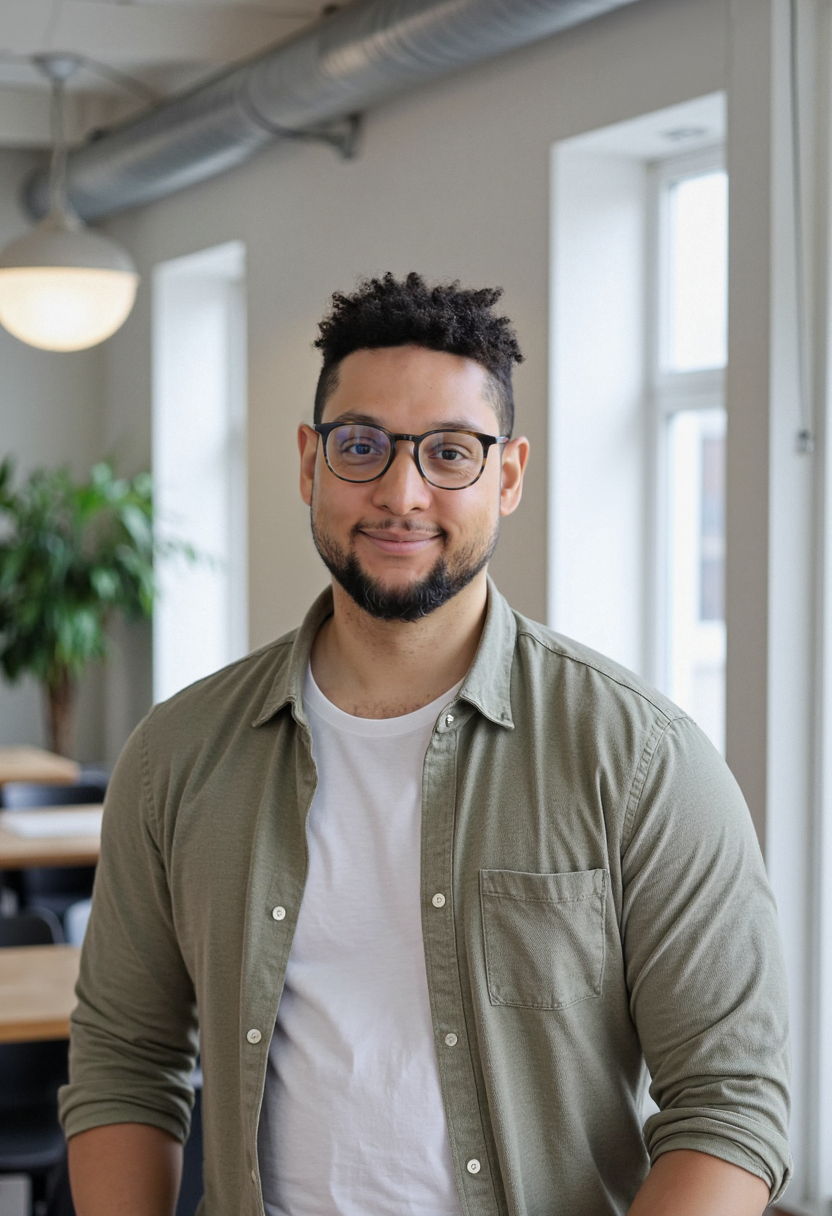
How I work
Most of what I do is establishing what is actually true before anyone commits to the next answer. That means going to primary sources: the people using the system, the people who built it, and the artifacts that show how it behaves rather than how it was described.
In three of the four client engagements on this site, the accepted explanation blamed the users. Change-resistant clients, content-hungry developers, an underperforming metric. In each case the system or the measurement was the thing that was broken. That pattern is why I look at the measurement before I look at the interface.
The second half of the job is moving the organization without it landing as an indictment. A finding that nobody can act on is not a finding. Most of my work involves people who have already invested in the answer I am about to complicate, so the work has to leave them somewhere they can stand.
My father was a mechanic who worked on cars and boats in the Caribbean. Same work, on systems instead of engines.
Design is a team sport
My principles come down to serving the people around the work: dynamic collaboration, deep listening, and growing the next designer as deliberately as the product.
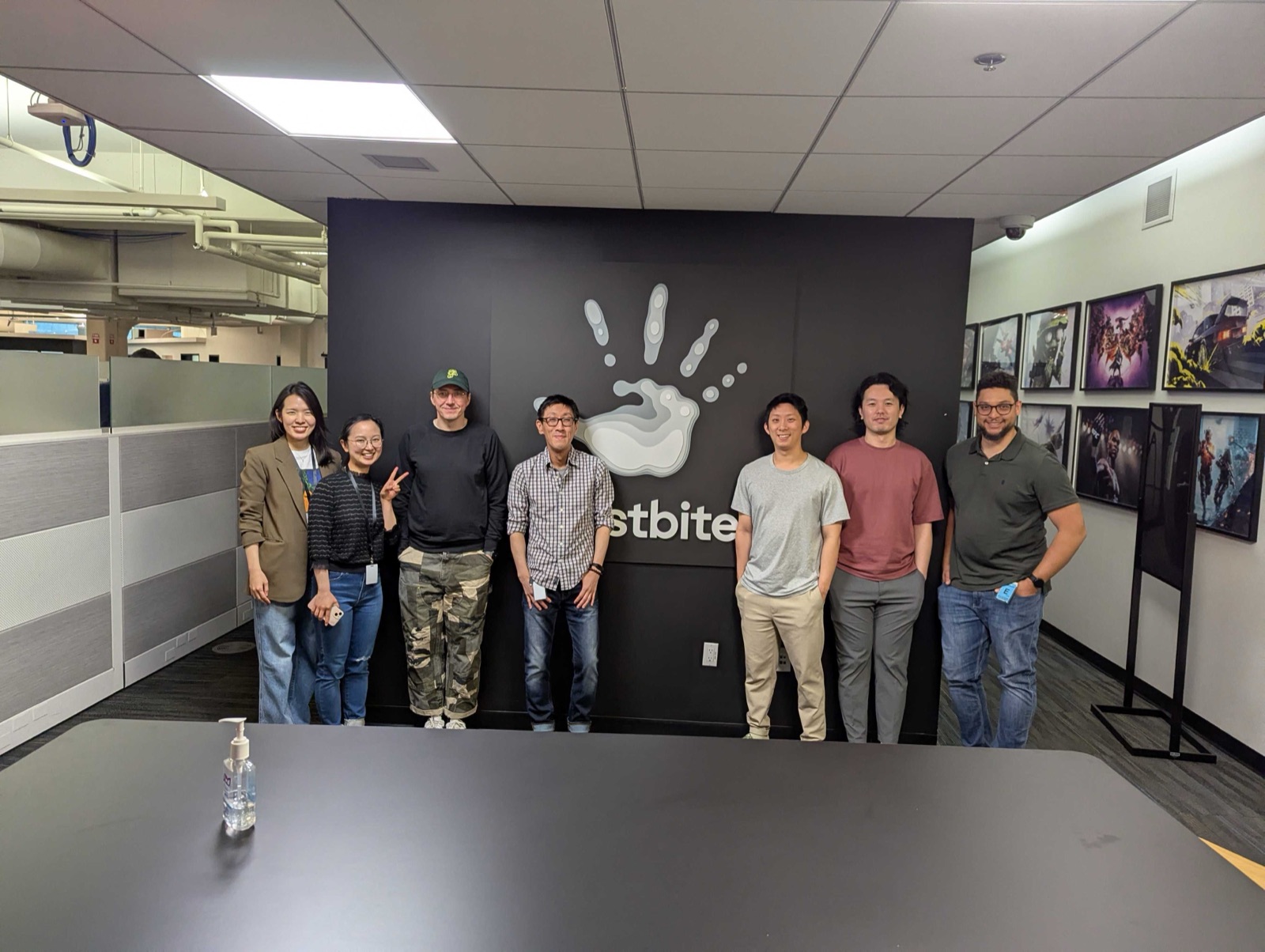
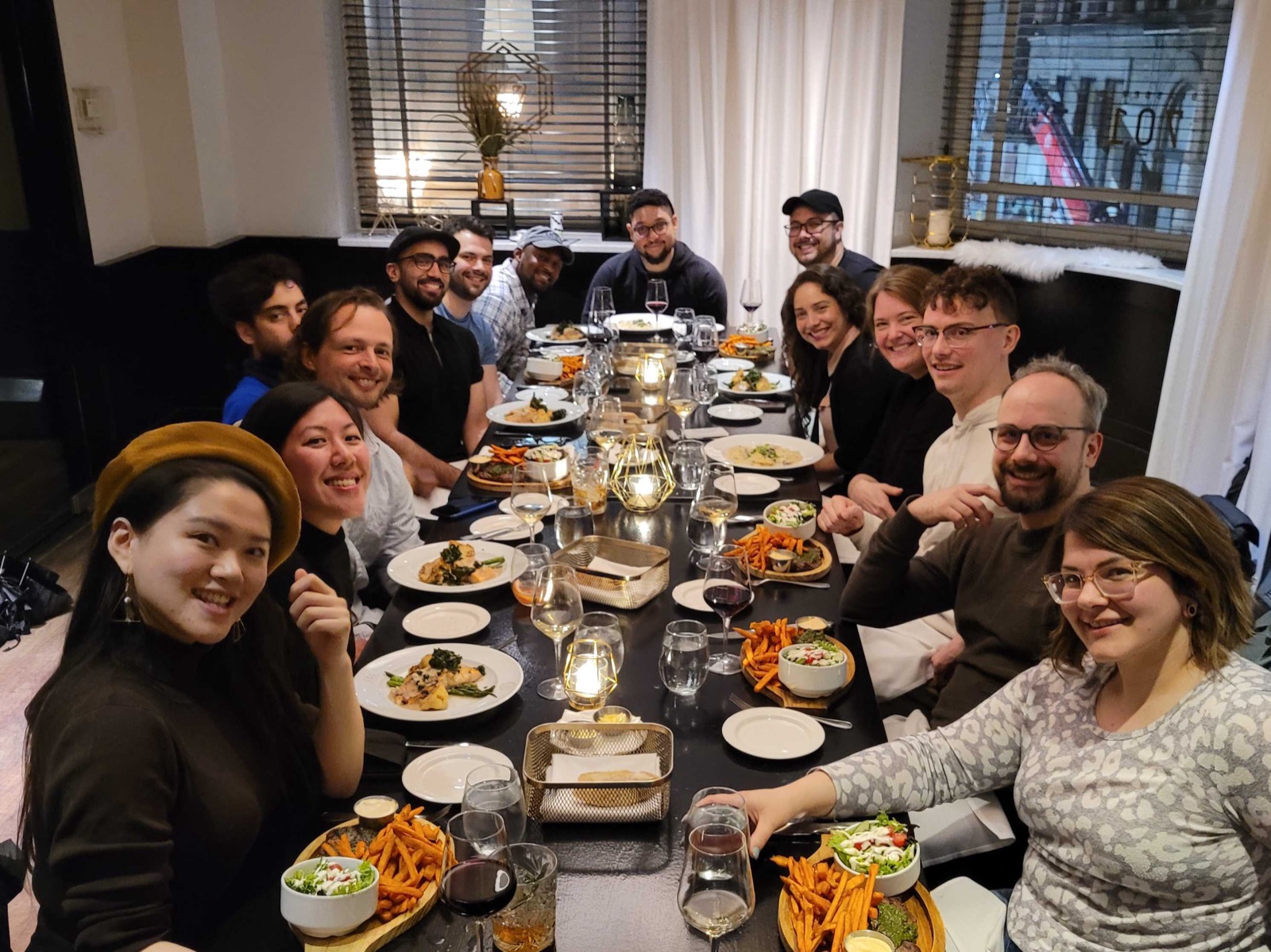
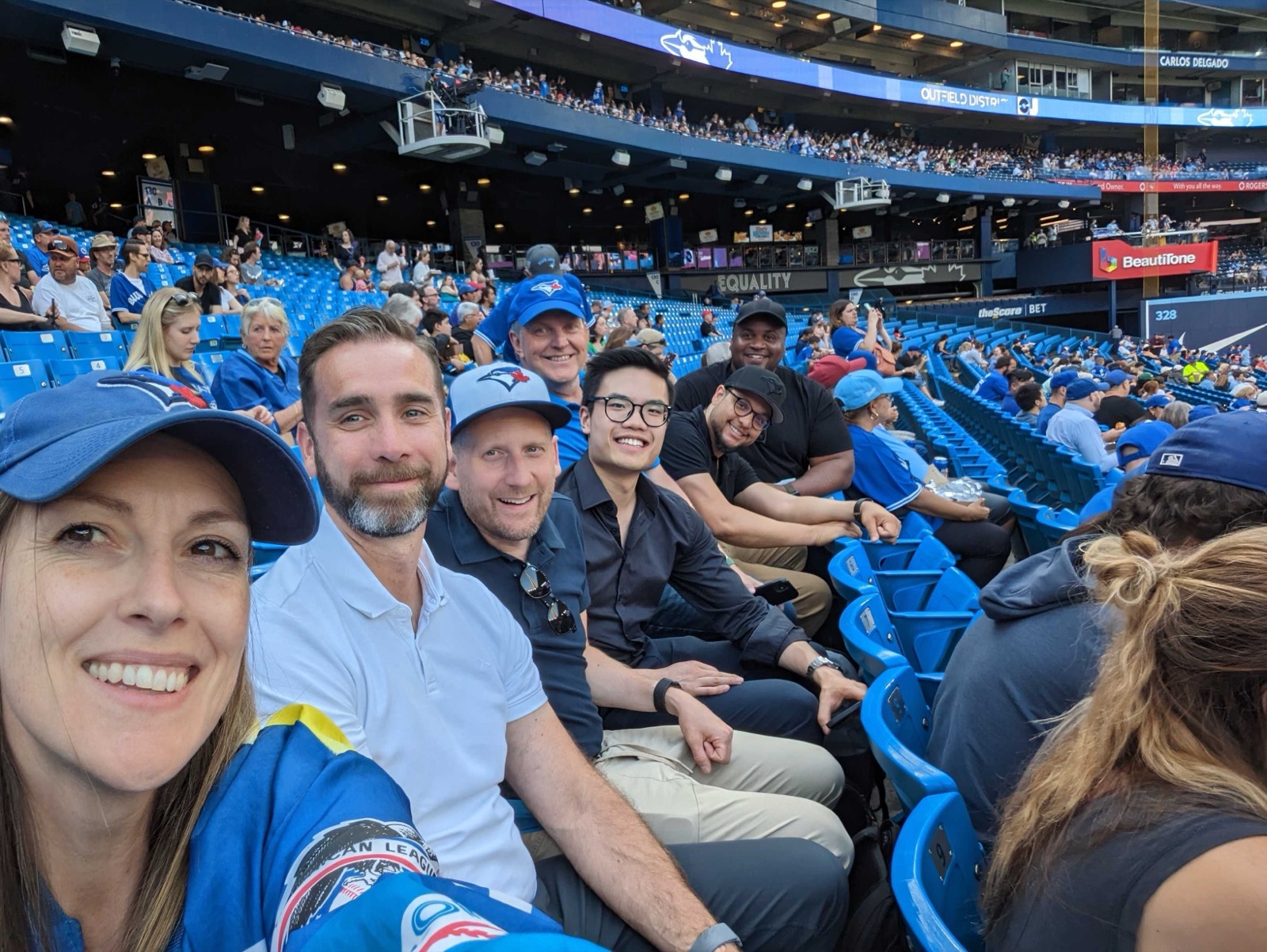
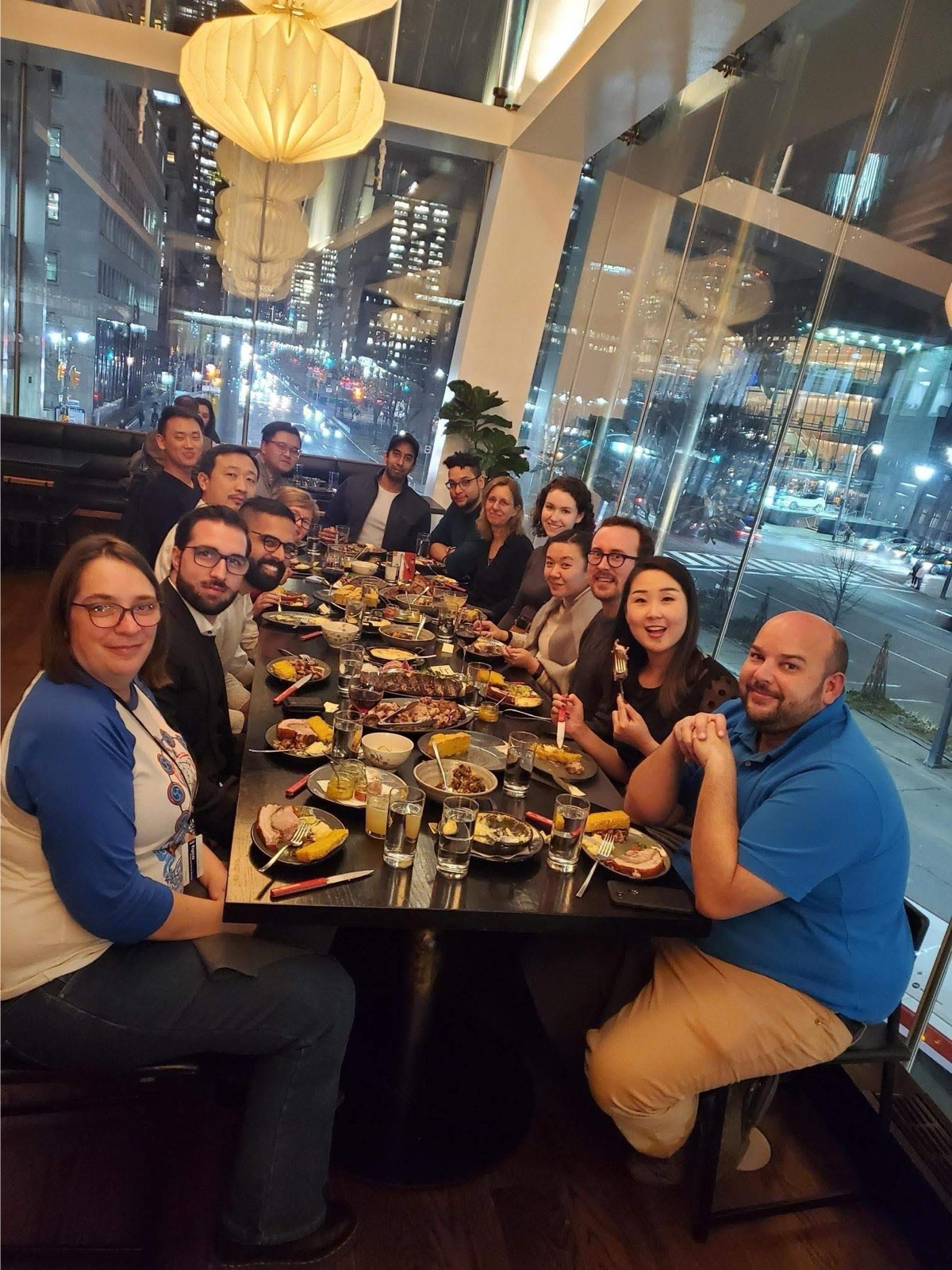
Some of the teams I have gotten to do this with. Frostbite in Redwood City, the rest around Toronto.
-
01
Cultivate collaboration, growth, and continuous learning.
Great design emerges when different perspectives collide in a room that is safe enough to disagree in. I build that room before I build anything else.
-
02
Employ UX and service design rigor.
Tried and proven methods, the voice of the customer at the centre of every exploration, and service blueprints when the problem is larger than a single screen.
-
03
Mentor and coach in the open.
I have mentored through Designlab and ADPList and taught at George Brown College and BrainStation. The aim is always to be the coach I wish I had had.
Growing the people around me
Hours coaching, across Designlab, ADPList, George Brown College, and BrainStation.
Designers and researchers coached through Fenix Career Forge since 2020.
Mentoring since. Seven-plus years, every platform and cohort.
I have mentored since 2017 and coached 158 designers and researchers through Fenix Career Forge since 2020. The throughline: helping people make the case that balancing business goals with user needs is not a compromise, it is the argument that changes the room.
The same instinct runs through how I work on teams. The most durable thing I can leave behind is not a screen, it is a designer next to me who now argues one level higher than they did before.
In the classroom it looks like teaching the UX and service design fundamentals at George Brown College and BrainStation. One on one it looks like portfolio teardowns, mock interviews, and helping someone name the through-line in work they have been too close to see.
Learning to hold my ground in our sessions was exactly the practice I needed to do the same in front of a hiring manager, and the naturalness that came with it ultimately landed me my role at ITRG.
He was extremely committed to providing guidance and sharing his vast knowledge of UX while honing my design skills. His considerate feedback built up not only my knowledge but also my confidence as a Product Designer.
His extensive knowledge and insightful feedback consistently provide clear directions for improvement. His skill in devising creative strategies, along with his genuine interest in supporting my growth, has been instrumental.
He was a key player in my UX education, teaching me to look beneath the surface of each problem I encountered. Chats with Chris consistently led to my own growth, and to seeing the bigger picture on every problem.
The work I'm most proud of has nothing to do with deliverables.
It has everything to do with people.
Most weeks include time that never shows up on a project plan: a coaching session, a portfolio review, a mentee talking through an offer, a walk through the city with a dozen other designers. I have spent years inside the design community, on ADPList and Designlab, in classrooms at George Brown and BrainStation, and on Toronto sidewalks. Two of those threads have turned into something with a name.
Coaching practice
Fenix Career Forge™
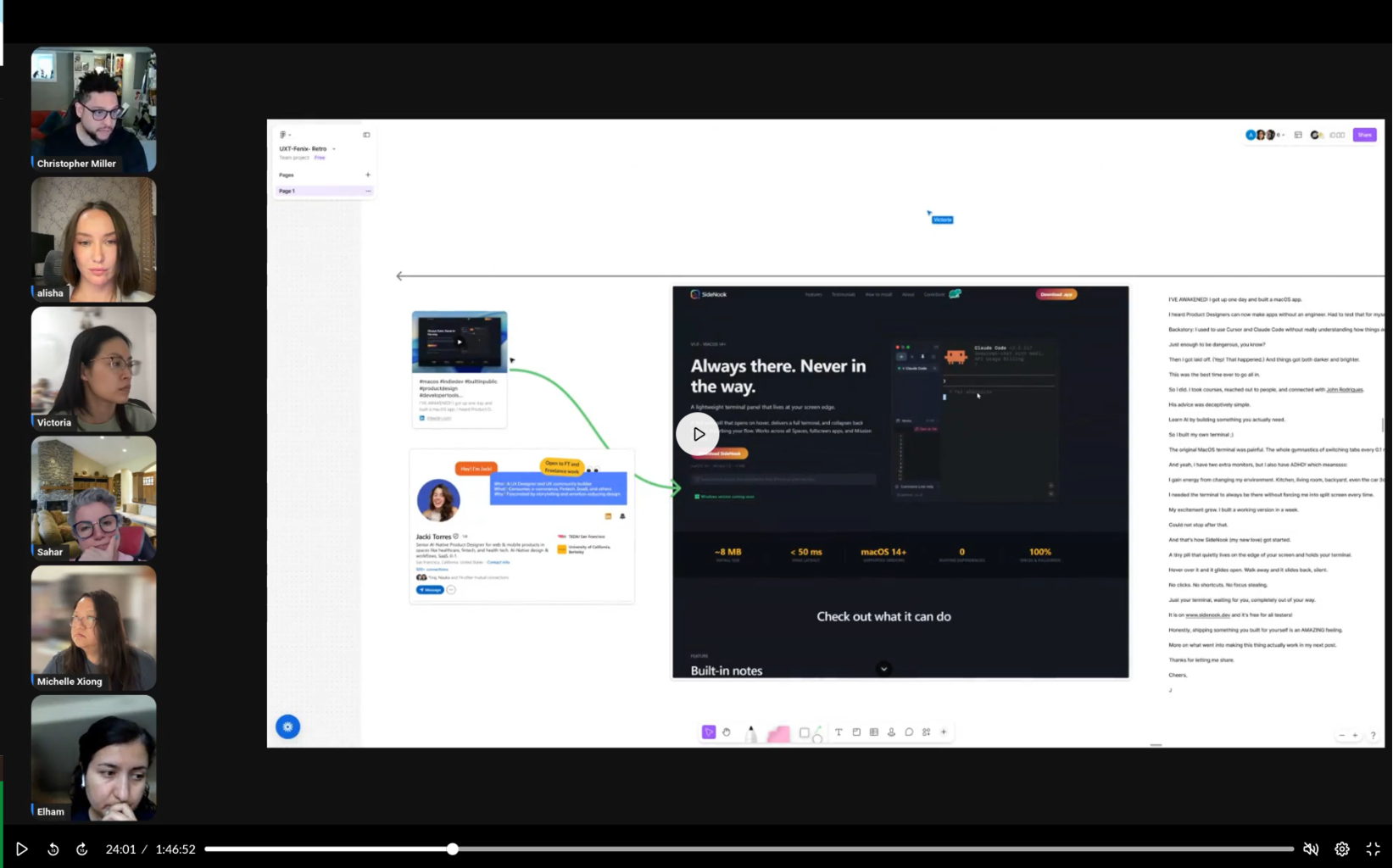
Designers were losing their footing, and their confidence. I watched people I respected question whether they even wanted to stay in the field. Fenix Career Forge was built in response to that. A structured coaching practice rooted in the belief that your story is already in you, it just needs excavating.
Creative practice
DesignWalks™
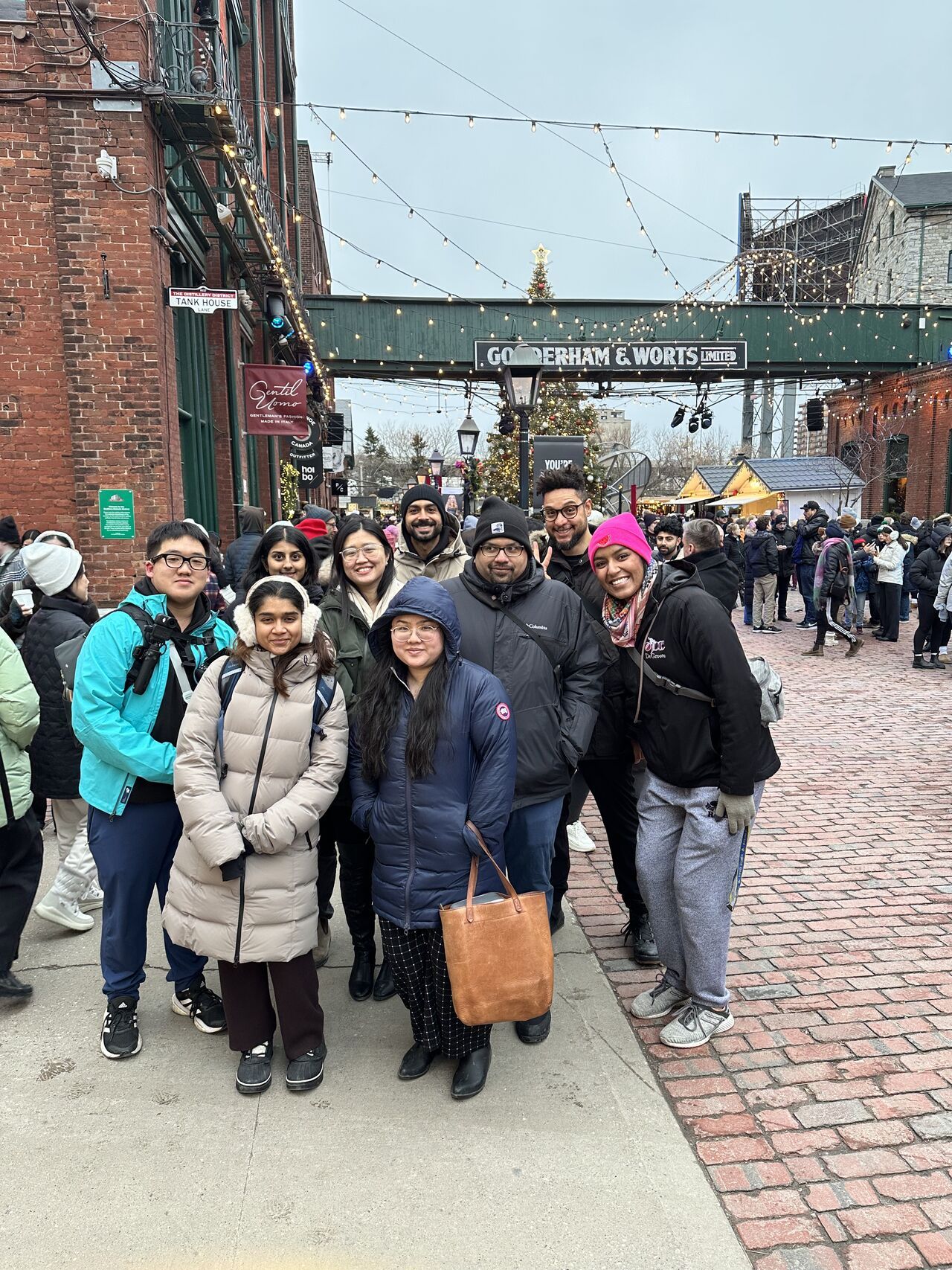
Toronto's creative community is more than designers. DesignWalks™ brings together the people who research, build, and imagine, creating space for the kinds of conversations that don't fit in a Slack channel or a conference panel.
Each walk pairs a route through the city with a design lens: wayfinding in a transit station, the typography of an old storefront, how a public square choreographs a crowd. We read the built environment the way we would read an interface, then talk about what it teaches us back at the screen. It started as a standing invitation to a few friends and has grown into a recurring fixture with its own visual essays.